Week 5- Digital Citizenship and Major Project Update

“If you are on social media, and you are not learning, not laughing, not being inspired or not networking, then you are using it wrong.“

Germany Kent

I have been putting a lot of thought and time into what my major project will look like. I have changed what I am doing a few times and know it will continue to change as I explore. I have been exploring apps that I have never used or heard of. Originally I was going to try the apps that were suggested in the syllabus.

I will share an update of the apps and my journey through learning and changing my project. The biggest way I have changed is deciding to improve on something I am already doing in my classroom, but don’t feel like I am doing well. I have iPads in my classroom I don’t feel like I am utilizing as effectively as I could be. I use Seesaw to connect with families but know there are a lot of other cool ways I could be using it.

Originally, I said I would look into Aurasma, Touchcast, Showme, and TikTok.

Aurasma- I was not able to access this app. It was not available.

Showme- I would like to continue to explore this app. The app allows teachers and students to have a virtual whiteboard. Teachers can create lessons and share them on their own account. There are many lessons created by teachers already on the site.

Barriers- The iPads I have in my classroom have apps that are approved from our board on them. I am not able to put new apps on the iPads. I have requested to have Showme put on the Ipads as it seems like a neat tool to use in the classroom. I have many ideas of how I can create lessons and use them. I am very curious to see how my students will respond to my voice teaching them on the smartboard. (Maybe I’ll be able to run to the washroom)

I will continue to explore this app if the request is approved. I would like to use the app to create lessons in my classroom. Specifically I will create literacy and numeracy lessons. I will create a lesson geared towards primary students about digital citizenship too. I will then do an overview of the app and share my thoughts of how it is beneficial to use within a classroom.

After looking into Showme app and on the iPads I have in my classroom, I decided to explore the apps already on the iPads. I have five iPads in my classroom. Currently, my students use only two apps fluently because I am not familiar with the others and haven’t had the time to look at the other apps. My students use ‘Epic books’ and ‘Razkids’ for reading. This is where I am wanting to change what I originally said I wanted to do for my project. I want my project to benefit me professionally and my students. I thought to myself:

-Why am I not utilizing what I already have in my classroom?

-What apps are already on my classroom iPads that I can use?

-How can I explore these apps and use this learning for my major project?

-Are there apps that can assist me with teaching digital citizenship?

-Why have I not explored these apps before?

I started to explore what apps I have access to already. I came across a few that I have never heard of or clicked on. I thought there is no better time but now to dig into these and see how I can be using my iPads better in my classroom and teaching.
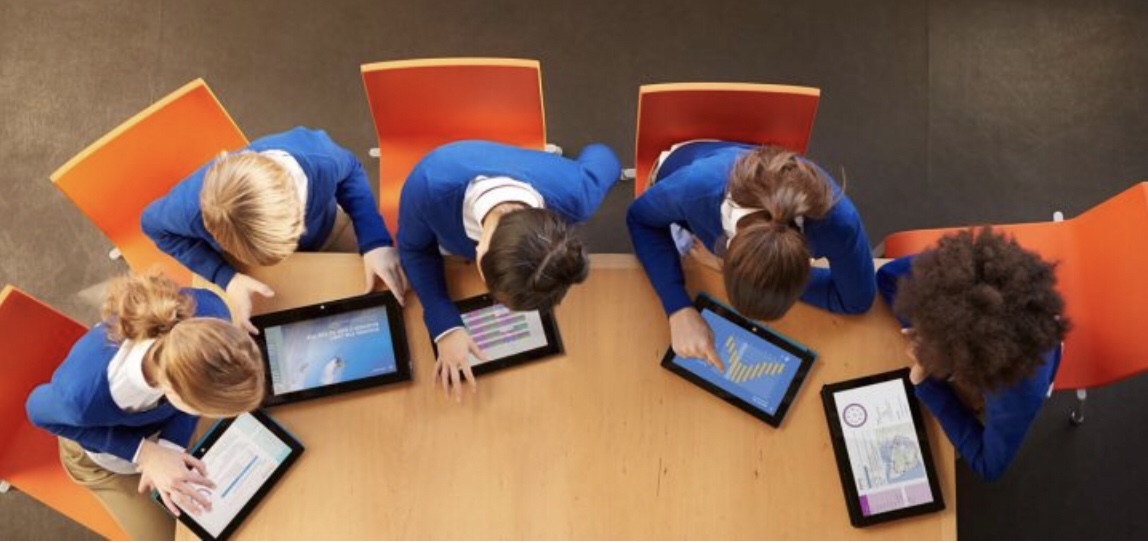
I will give an update of what I have learned and tried on the iPads as I continue to use them. My students are happy to be able to try them out as well!

Obstacles

I am finding it tricky to connect digital citizenship with my students age because many of them don’t have access to the digital world. I work in a community school that is demographically diverse. If I worked in a school where each kid had a tablet or iPad at home, we would be having a lot more conversations about the digital world. Many students don’t have their basic needs met, so digital citizenship/identity isn’t a fluid conversation in my class. I know I have a lot to learn still and am excited to dive into the resources I have come across to teach digital citizenship and start having these conversations with students. I will continue to look into resources created for my students age group.
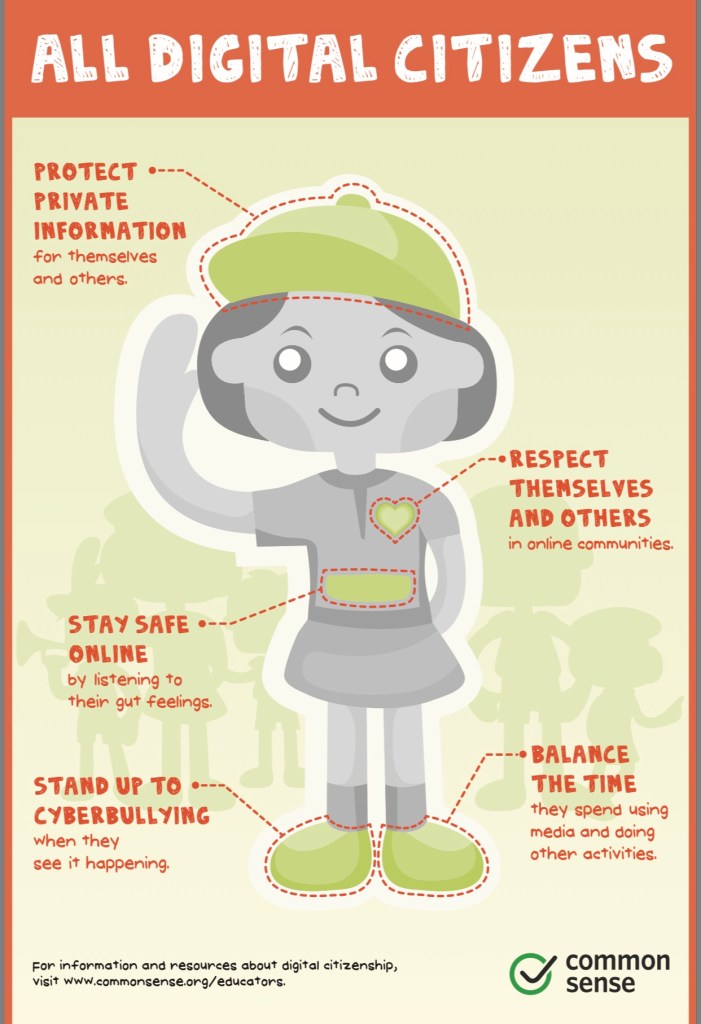
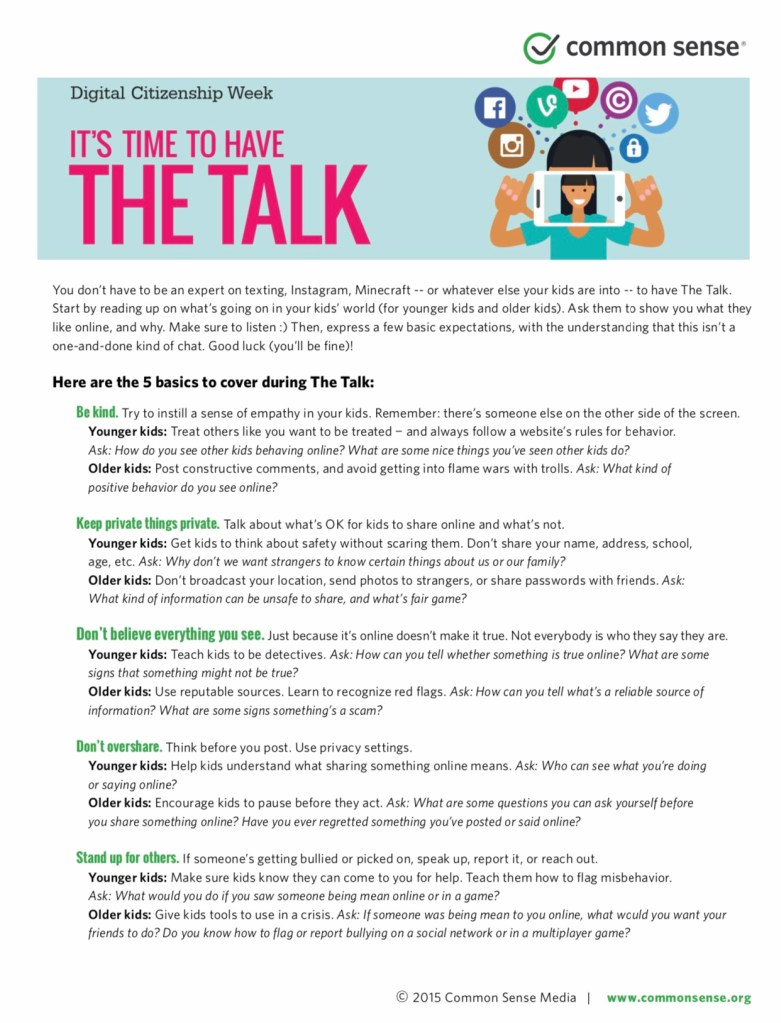
I had some interesting conversations with students after learning about digital citizenship this week.

I asked my students ‘What is Social Media?’

They all gave me blank stares. (this actually made me happy because they are so innocent) One student put up their hand and said, “Facebook?”

Other students looked really confused and asked “What is Facebook?”

We discussed more and my students recognized social media apps and it began to click in their brains. I then asked them about the digital world and about being a digital citizen. Again I got blank stares and one student asked “What does citizen mean?” We had a great conversation about being a good citizen in the world and the digital world.

Depending on what school and area you work in, these lessons and conversations can look very different. Regardless, kids will be exposed to social media and the digital world so it definitely isn’t too young to start teaching them how to navigate it properly.

This class has challenged me to look into how to do that and I hope I can connect it into my major project.
Seesaw is an app I use to communicate with families. I know that it has many awesome features, but have not taken time to discover them all. As part of my project I want to improve the way Seesaw is used in my classroom. I want to learn to send lessons out on it and have kids taking pictures of their own work and sharing it with their families.

I plan to make an overview of the app and document the journey with my students. I also want to send resources through Seesaw for parents to start having conversations with their kids about the digital world.

Lastly, I have been exploring the app TikTok as it seems to be the most popular social media app among elementary school kids. I coach basketball to grade 6, 7, and 8 girls. They are my best resource for understanding the app. I intend to make an overview of the app and how it relates to digital citizenship.

Looking into TikTok and having conversations with these girls, it is evident that there is a lot of negative actions and comments that are out there. The girls I’ve talked to like to follow people that are positive and spread good messages through their accounts.

I still have a lot of work to do but have been putting pieces together for my major project. I am happy to continue this journey and learn more. I’m excited to see how my major project turns out.

“The journey is never ending. There’s always gonna be growth, improvement, adversity; you just gotta take it all in and do what’s right, continue to grow, continue to live in the moment.” Antonio Brown

Week 4- Future Education

“Education is the passport to the future, for tomorrow belongs to those who prepare for it today.” Malcolm X

Education is always evolving, growing and changing with culture and time. Technology plays a big role in how education has changed. As I have read and learned from classmates about digital citizenship, my eyes have been open to a new perspective. It seems so obvious that we want to teach students to be good people and be able to make good choices and be able to contribute positively to society once they graduate. We discussed what attributes a student graduating would embody. But when it comes to a digital citizen, we tend to scare away from what that would look like because we may not know what that means. We seem to scare students into all the dangers of the digital world instead of teaching them to be able to function in this world properly. The world and life in general can be a scary place filled with lots of challenges and obstacles. We try our best to prepare kids to be able to cope and navigate the world. We train them to be good people who make a difference in the world. It had never occurred to me that we need to be doing the same online as this is where a big chunk of time is spent. Preparing students to be good digital citizens is something that should be mandatory for all school divisions.

If educators are unaware of what it means to be a digital citizen and don’t have the motivation to find out or learn, how are students able to be successful? 

I believe the term ‘digital citizen’ needs to be in our everyday language. I’ve been teaching for seven years and never heard of it. Or maybe I have heard of it but was ignorant because I was uneducated about it’s importance. The future (starting now) of our education system needs to be implementing digital citizenship. The digital world is not going to go away, therefore students need to know how to navigate it in a positive way.

One of the other points I’ve been pondering this week is what does the future of education actually look like? Can I be replaced by technology and e-learning? Will teachers loose their jobs to e-learning?

There is something to be said about human interaction. Nothing can replace a relationship and being present with students. Being known and knowing others is something that technology cannot do and I think is so important as students are having less face to face interaction time. Technology cannot give a hug, it can’t wipe away tears, it can’t come up with another strategy to teach so struggling learners can have a chance. Technology cannot give high fives and make our kiddos feel loved, valued and safe like our classrooms do.  I value how students feel in my class. I have kids that come everyday with their basic needs not met. Some students may not have any positive role models in their lives or an adult to talk to. Teachers provide this interaction that many students need or otherwise wouldn’t get without school. Schools provide community and connection for kids that humans crave and need.

“We need to remind ourselves of the beauty of human connection and of nature and pull ourselves out of devices for a moment and appreciate what it is just to be human beings.” Olivia Wilde

I am seeing through a primary lens, I understand e-learning would be geared more for older students. I am curious what it could look like in a primary classrooms. When I talk with older students, they are just big kids. They still need hugs and to talk. There are so many diverse needs in todays classrooms it would take quite a robot to be able to adapt to all needs and teach in a variety of ways to address all learning styles. There seems to be information and ideas to be able to adapt to all learning styles. https://www.viewsonic.com/library/education/10-trends-elearning-future/ 

In my classroom I struggle to balance the use of technology. I also constantly feel like I don’t have time to teach the curriculum and need to get my students reading and writing. Talking to students about the digital world isn’t something I am ever thinking of. I always think my students are probably on technology all weekend so I want them to interact with their classmates and be present. On Fridays I always have ‘Fun Friday’ in my classroom where I put out lego, board games, craft supplies, etc. and my students know not to ask for Ipads because it’s our social time. I believe it’s so important for students to be present and play and enjoy being together. They build so many skills from these times in the classroom. I also realize I need to be open and have a balance of including the digital world more in my teaching. 

Yes schools do need to change because our culture is changing. We need to keep up with how the digital world is evolving or we will have students thrown into a world with no skills how to navigate it. We need to create students who are digital citizens. But we also need to continue to teach students to be present in our world and be able to interact face to face with humans. Students need to be able to carry a conversation and interact with others to be successful in our world.

I am learning so much in this class and feel like my eyes are being open to so much. I’ve really realized how little I know. I am excited to continue to learn and share with my colleagues at work. I work in a collaborative environment and school that is very open to everything I have been learning here.

“We need technology in every classroom and in every student and teacher’s hand, because it is the pen and paper of our time, and it is the lens through which we experience much of our world.” David Warlick

Week Three Reflection

“We shouldn’t be teaching kids to be afraid of social media, or that technology is bad for them. We should treat these tools like any influence in their life and help them manage the responsibilities connected to these tools effectively and ethically.” Mary Beth Hertz

This weeks class really got me thinking about how we introduce and teach technology in our classrooms and in general to kids. I make the assumption that kids know more about technology then I do because of the world they are growing up in. But truly most kids are thrown in with no guidelines or knowledge and just figure it out on their own. Students most likely don’t have a very good foundation of what exactly the internet is. I was talking to my grandma this week and she asked me to come help her with a lap top my dad got her. I was thinking how much she just won’t understand with pop up ads, viruses, cookies, etc. Reflecting on Mary Hertz’s conversation, I realized I don’t really understand it either. I just know how to close an ad or click on the ‘x’ when a cookie comes up. But I don’t actually understand any of it. I don’t even know what a cookie or URL really is. So how am I supposed to teach students all about the digital world when I don’t get it? I think we make lots of assumptions when working through technologies and hope that we figure out how to press the right buttons. How do we actually teach the basics so students can enter this world with a great understanding of everything they need to know. First I believe teachers need more professional development to start this process. Mary Hertz spoke about her freshman introduction class she teaches about technology and the digital world. As she was explaining what she teaches I was wishing I could be in her class. I was thinking about how beneficial the class would be for all teachers and students. I was asking myself so many questions. Why is this not a mandatory class in schools? Why is this information not viewed as essential for all teachers and students? Our world is just evolving more into the digital world and we don’t want students to have to figure it out on their own when this is the world they are growing up in. Having explicit teaching about how technology works, the role it has in our lives and education, social media, and safety online is crucial in our education system.

Mary Hertz talk really got me to reflect on my own practices in the classroom and to understand that technology should be an important part of our education system. I think all educators would’ve benefitted from listening in to our class with her. I am thankful to be in this class and continue to learn about so much new content I haven’t thought deeply about before. I am grateful to be learning along side an awesome, supportive group!

How do you think our education system is doing in implementing the knowledge of digital literacy/identity, social media, technology, etc.?

See the source image

Major Project

I have gone back and forth on what to do for my major project. I really want to make a meaningful impact on my teaching practices. I want to be able to apply the skills I acquire from this project to my daily classroom teaching. I hope to be able to have a new lens into the social media world and what my students or students in my school may be using.

I am wanting to do option number two so I can be more aware of what is out there on social media and what educational apps are available. I have heard lots recently about the TikTok app and the dangers that have arose. I know this is a popular app for younger students. I teach grade 2 and 3 students and think it would be great to dive into what they are doing on social media and how they use it.

I would also like to investigate three educational apps. I have not heard of Aurasma, ShowMe, or Touchcast that were suggested so I will try those out and hopefully be able to apply it to my classroom.

I am excited to get started exploring these four apps and being more aware of what is accessible to students and teachers.

Stay tuned for updates on my journey! 🙂

My First Blog Post

Welcome!

“Tweet others the way you want to be tweeted.”

Germany Kent, You Are What You Tweet: Harness the Power of Twitter to Create a Happier, Healthier Life

Welcome to my blog! This is a new experience for me! I have a lot to learn. I am excited to share my journey of learning throughout my class. My first online class and I’m learning about the online world. I am excited and nervous as a lot of this class will challenge me and take me out of my comfort zone.

Introduction

Hello! Welcome to my blog! I am a grade 2/3 classroom teacher in Regina, Saskatchewan. I work in a community school and have a passion for loving kids and inspiring them to be all they can be. I love teaching reading and writing and instilling a love for literacy in my students.

This is my second class towards my Masters in Curriculum and Instruction. I am excited to connect with other educators and learn from others. This class will be both a challenge and great learning experience for me. I am excited to be part of a wonderful, supportive community.

“The more you read the more you know, the more you learn the more places you’ll go.” -Dr. Seuss

Design a site like this with WordPress.com
Get started